

View the latest stories in breakthrough propulsion and gravity research—from electrogravitics and inertial drives to superconductors, DNP/Alzofon, UAP detection, warp metrics, and energy generation. Each section collects explainers, interviews, lab notes, replications, and critical reviews to help builders turn bold ideas into testable hardware.

Bryan St. Clair’s Pulsed Inertial Engine: Past, Present & Future
For over a decade, Bryan St. Clair has been building, breaking, refining, and rethinking a family of inertial propulsion devices he believes can turn timed internal motion into useful thrust. At APEC, he did not present…

The 3M Invisible Wall: The Legend of an Electrostatic Force Field
In the late summer of 1980, in a South Carolina tape plant, static electricity appears to have stopped behaving like a nuisance and started acting like a force field. A broad polypropylene web rose from a jumbo roll,…

Woodward’s Legacy: Michelle Broyles and the Long Road to Mach-Effect Propulsion
In the wake of James F. Woodward’s death, one of his closest collaborators is carrying forward one of the most controversial propulsion programs in modern physics—an effort to determine whether a vibrating stack of…

Electrostatic Levitation in Air: Al Baur’s Untethered Ion-Wind Levitators
The first shock of Al Baur’s presentation is visual, not theoretical. A small object hangs in space beneath a charged track with no string, no rod, no visible support, and then begins to move as if it has found a groove…

Zero-Point Energy Harvesting and Casimir-Effect Spheres
In his APEC presentation, physicist Dr. Thorsten Ludwig examines the emerging frontier of zero-point energy harvesting through the experimental world of Casimir-effect spheres, precision force measurement, and…

David Alzofon: Gravity Control with Present Technology
Gravity is the oldest tyrant in human history: invisible, patient, and absolute, charging every tower, aircraft, rocket, and human body a relentless toll for the privilege of standing, flying, or leaving Earth at all.…

UFOs and Radar: Targets, Clutter, Safety, and False Certainty
The radar screen should have been a promise of order: aircraft where they belonged, transponders chirping, controllers free to think about separation and safety instead of mystery. But again and again, from the strange…

Novel and Unconventional Sensors for Gravity, Fields, Time, and Exotic Phenomena
Scientific sensing is entering a new era. Where older instruments relied on springs, mirrors, coils, and bulk mechanical motion, a new generation of platforms now uses atoms, spins, photons, superconducting circuits,…
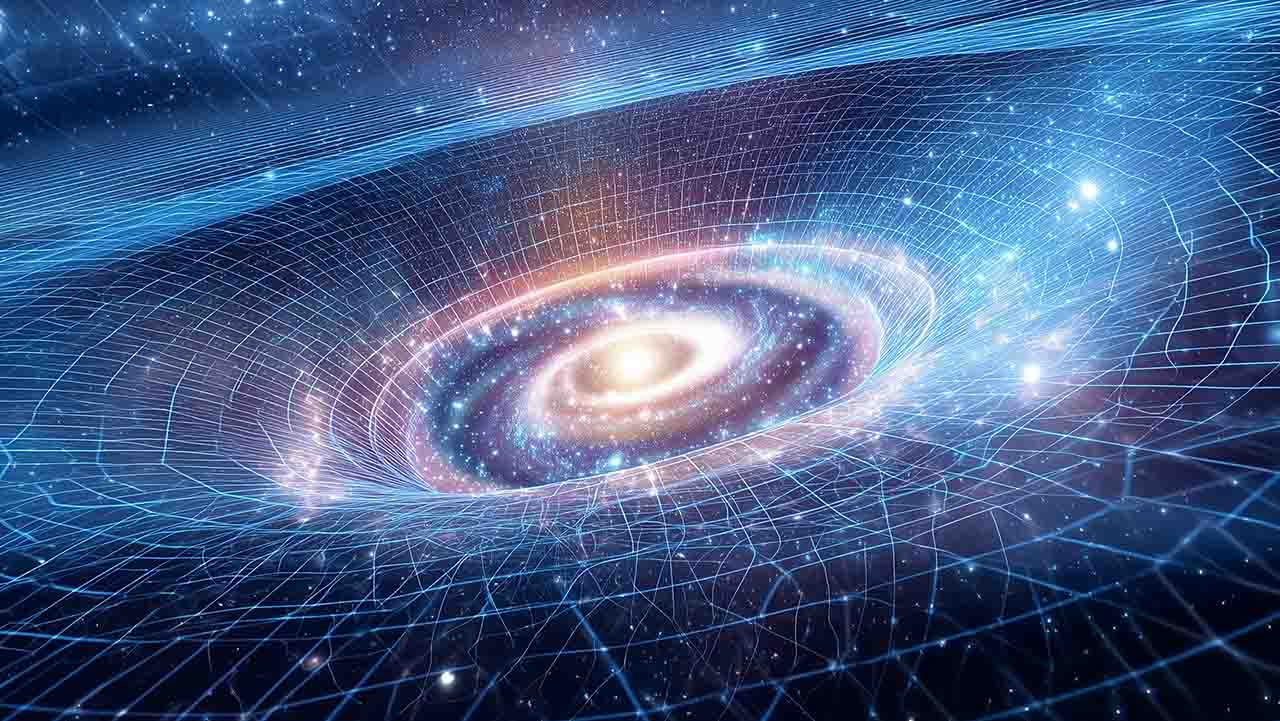
Space-Time Is A Material
For more than a century, modern physics has treated space in two different ways at once. In one sense, space-time is the fabric on which gravity, motion, and causality depend; in another, it is still casually spoken of…
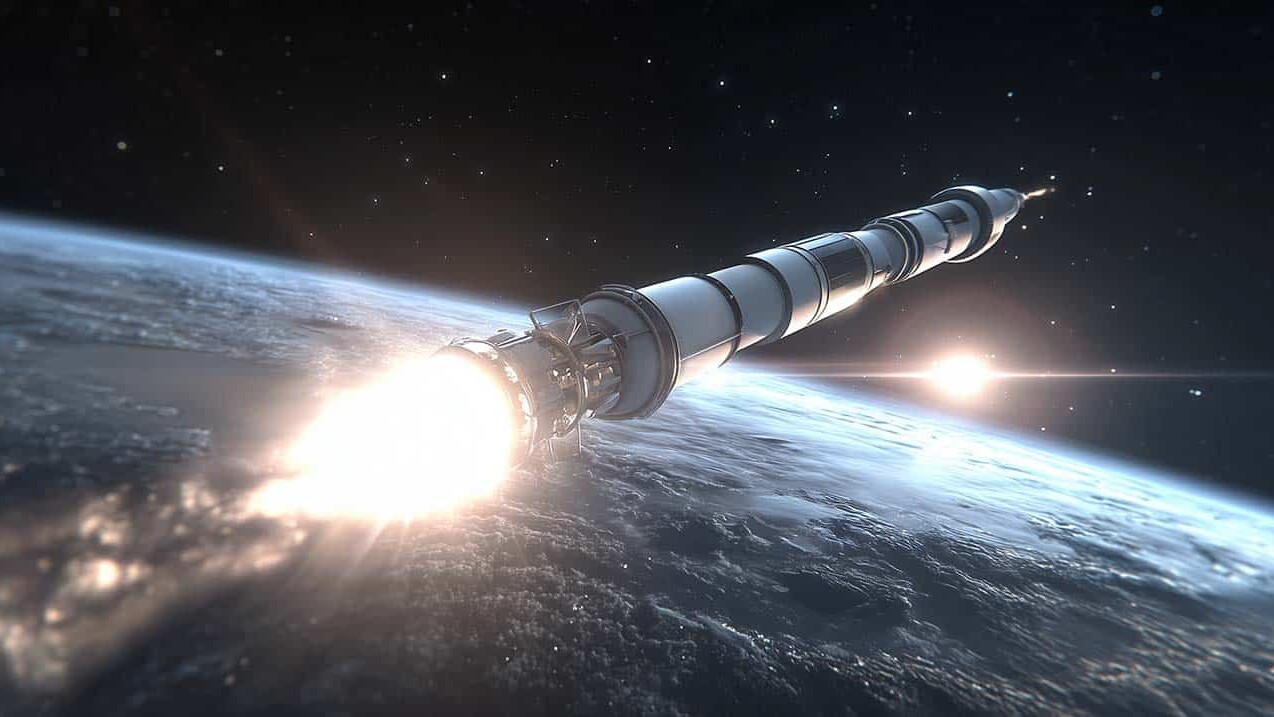
The Nuclear Salt‑Water Rocket: Lightning Fast & Dirty as Hell
Robert Zubrin's nuclear salt‑water rocket is the kind of idea that sounds like a dare with math behind it: a rocket that “burns” like a chemical engine, except the reaction isn’t fire—it’s fission, riding in the…